The Ultimate List of Cleburne Tree Removal Services for Expert Tree Maintenance
Essential Services Offered by Arborists: Protecting Your Trees and Landscape
Arborists play a significant role in preserving tree health and beautifying outdoor spaces. Their skill set includes a range of key services, from establishing trees and detecting ailments to skilled pruning and pest control. These experts not only improve the aesthetic appeal of properties but also contribute to broader environmental goals. Exploring the distinct techniques and approaches utilized by arborists reveals how they protect our green spaces and guarantee the sustainability of tree populations. What challenges do they face in their work?
The Essential Role of Arborists in Tree Care
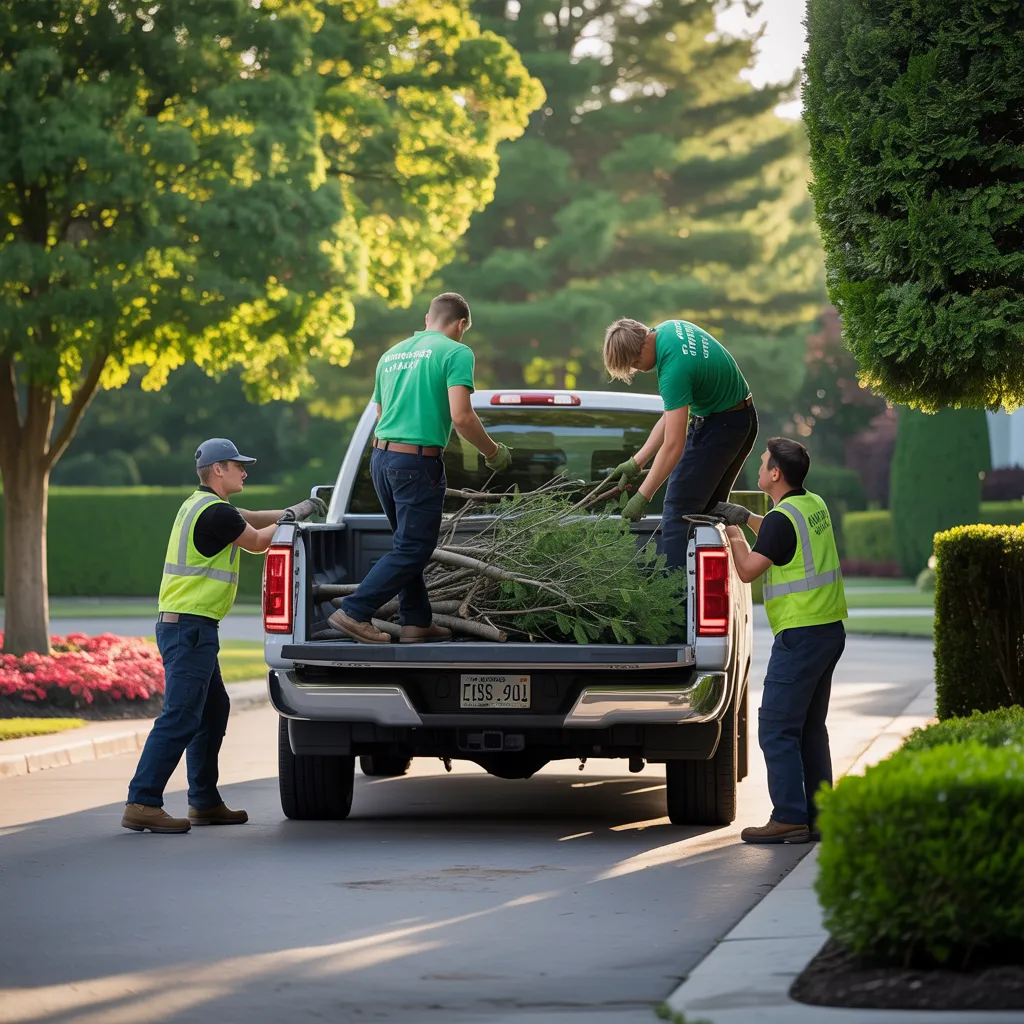
Arborists fulfill a critical role in the preservation and maintenance of trees, promoting their strength and long life. These trained professionals have an extensive knowledge of arboricultural biology and ecology, permitting them to appraise the state of trees with accuracy. They detect diseases, infestations, and environmental pressures that can compromise tree health. Arborists also provide essential services such as planting trees, identifying issues, and suggesting treatments customized for particular species and settings.
Additionally, they instruct property owners about effective tree management techniques and the significance of maintaining healthy trees in the landscape. Arborists regularly partner with local governments and organizations to champion metropolitan forestry projects, strengthening biodiversity and elevating air purity. Their skill not only adds to the visual appeal of residential and commercial properties but also holds a critical place in environmental conservation. Overall, arborists are vital stewards of the tree population, encouraging a harmonious bond between ecosystems and urban expansion.
Methods for Successful Tree Pruning
Proper tree pruning entails understanding various methods and knowing the ideal timing for each technique. Various pruning techniques fulfill unique objectives, ranging from promoting growth to preserving tree vitality. Timing is essential, as the right season can greatly impact the tree's response to pruning efforts.
Varieties Of Pruning Techniques
Trimming trees necessitates a strategic approach to promote vigorous growth and visual appeal. Several pruning techniques fulfill different objectives, each suited to individual scenarios. Thinning entails the deliberate removal of branches to boost sunlight access and ventilation, supporting general tree vitality. Crown reduction, by contrast, diminishes the height and breadth of a tree while maintaining its natural shape, frequently employed to reduce hazards from strong winds. Deadheading focuses on removing spent flowers or dead branches, stimulating fresh growth and extending flowering seasons. Lastly, rejuvenation pruning is performed on overgrown shrubs, encouraging fresh growth by cutting back old wood. Comprehending these techniques enables arborists to skillfully oversee tree wellness and ensure an aesthetically pleasing environment.
When To Prune For Best Results
When is the best time to prune trees for ideal health and growth? Tree care professionals suggest pruning in late winter or early spring, immediately prior to the onset of new growth. This schedule helps minimize tree stress and lowers the risk of disease. This approach promotes improved healing as the tree begins its active growth period. Particular species may additionally benefit from summer pruning to regulate growth or clear away dead wood. Nevertheless, pruning in fall is typically not recommended, as it may leave trees vulnerable to winter damage. Grasping the particular needs of every tree species is vital for the best possible results. By adhering to these guidelines, arborists guarantee trees remain healthy and vibrant throughout their lifecycle.
How Arborists Manage Tree Diseases and Pests
Professional arborists actively monitor and control diseases and pest infestations in trees to secure the health and longevity of trees in urban and rural environments. They begin by conducting detailed examinations to uncover initial indicators of infestations and infections. Drawing on their specialized knowledge, arborists assess the species and extent of the problem, which assists in identifying the most suitable course of treatment.
Integrating integrated pest management (IPM) strategies, they combine cultural, biological, and chemical methods to reduce the environmental footprint. This comprehensive method may involve deploying helpful insects, utilizing organic treatments, or utilizing specific pesticides when required.
Moreover, tree care professionals advise property owners on preventive measures, such as proper watering and pruning techniques, to strengthen the hardiness of trees. Regular maintenance and monitoring guarantee that any arising concerns are resolved quickly, thereby maintaining the visual and environmental worth of trees in both urban and rural settings.
Warning Signs That You Need Emergency Tree Removal?
Tree health can deteriorate rapidly, resulting in circumstances that require prompt intervention. Indicators that suggest emergency tree removal is required include visible cracks or splits in the trunk, which weaken the overall structural integrity. Furthermore, significant branches or the whole tree tilting at an abnormal angle can signal instability, most notably after extreme weather events. Rotting or dead limbs, frequently marked by the presence of fungal growth, suggest the tree is beyond recovery.
An additional warning sign is the occurrence of significant root deterioration, which can further compromise the tree's stability. If a tree is located near power lines or structures, these indicators can present immediate safety hazards. Arborists recommend immediate evaluation and intervention when these warning signs appear, as ignoring these signs can lead to hazardous situations for both nearby individuals and property. Regular inspections can assist in detecting these concerns before they develop into critical situations.
Top Tips for Planting New Trees
When planting new trees choosing the right species is essential to guarantee long-term health and growth. Additionally, adequate soil conditions have a major impact in the development of a tree. Understanding these factors can significantly improve the results of any planting project.
Selecting The Correct Species
Identifying the right tree species is important for guaranteeing a successful landscape, as distinct types offer distinct opportunities and considerations. Elements such as available space, climate, and soil type are critically important in making this choice. For instance, native species frequently demand less care and are better adapted to local conditions, encouraging ecological balance. Additionally, factors like mature size, growth rate, and disease resistance can impact the choice. Homeowners should also reflect on the visual appeal and year-round character of the trees, ensuring they refer to resource complement the current outdoor setting. Working with a certified arborist can provide valuable insights, assisting in identifying varieties that suit both site-specific conditions and individual needs, ultimately fostering a resilient and balanced outdoor environment.
Guaranteeing Suitable Soil Conditions
Conditioning the soil is vital for the effective growth of new trees. Arborists highlight the importance of evaluating soil quality before planting. This involves testing pH levels and ensuring proper drainage to create an ideal environment for root growth. Enriching the soil with organic matter can boost nutrient availability and strengthen structure. Additionally, the soil should be adequately porous to allow roots to expand without resistance, yet stable enough to offer support.
Certified arborists advise excavating a hole a minimum of two times the width of the root ball to support the outward spread of roots. Applying mulch around the tree's base aids in preserving moisture and controlling temperature, further supporting healthy growth. Ideal soil conditions establish the foundation for flourishing trees and lush landscapes.
The Importance of Regular Tree Maintenance and Inspections
Routine tree maintenance and inspections are critical for ensuring the vitality and protection of trees and adjacent properties. Certified arborists play an important role in recognizing potential concerns, like disease, pest outbreaks, and structural instabilities. Periodic inspections facilitate timely responses, which can prevent costly damage and secure the longevity of trees.
Moreover, routine maintenance, such as cutting and soil enrichment, supports strong growth and elevates the beauty of surrounding landscapes. Assessments assist in detecting trees that could present dangers to surrounding buildings or individuals, enabling proactive measures to mitigate hazards.
Additionally, caring for trees offers significant ecological benefits, such as better air quality and natural wildlife habitats. By investing in regular maintenance and inspections, landowners can secure their investments and cultivate a healthy ecosystem. Ultimately, the expertise of arborists guarantees that trees not only survive but thrive, elevating the visual charm and security of the environment.
Popular Questions We Receive
Which Certifications Are Important to Look for in an Arborist?
When choosing an arborist, one ought to confirm certifications such as ISA (International Society of Arboriculture), TCIA (Tree Care Industry Association), and state-specific licenses, ensuring their expertise in tree care and management.
How Regularly Should I Arrange Tree Inspections?
Tree inspections are recommended annually, or every six months for high-risk species or areas. Consistent assessments help uncover potential concerns early, guaranteeing trees stay healthy and safe while supporting overall landscape strength and aesthetic quality.
Can Arborists Help With Landscaping Design?
Yes, arborists can help with landscaping design by evaluating tree vitality, identifying suitable tree types, and confirming proper positioning. Their extensive experience strengthens overall appearance while encouraging environmental harmony, ultimately contributing to a eco-friendly and attractive natural setting.
What Is the Best Time for Tree Planting?
The ideal period for tree planting falls within early spring or fall. These seasons provide ideal soil temperatures and moisture levels, promoting healthy root establishment and ensuring better growth in the subsequent warmer months.
How Do Weather Conditions Affect Tree Care Services?
Weather conditions greatly influence tree health management. Rainfall, temperature fluctuations, and wind conditions can impact appointment timing, insect activity, and ground health, necessitating adjustments in techniques and timing to promote excellent tree health and flourishing.